

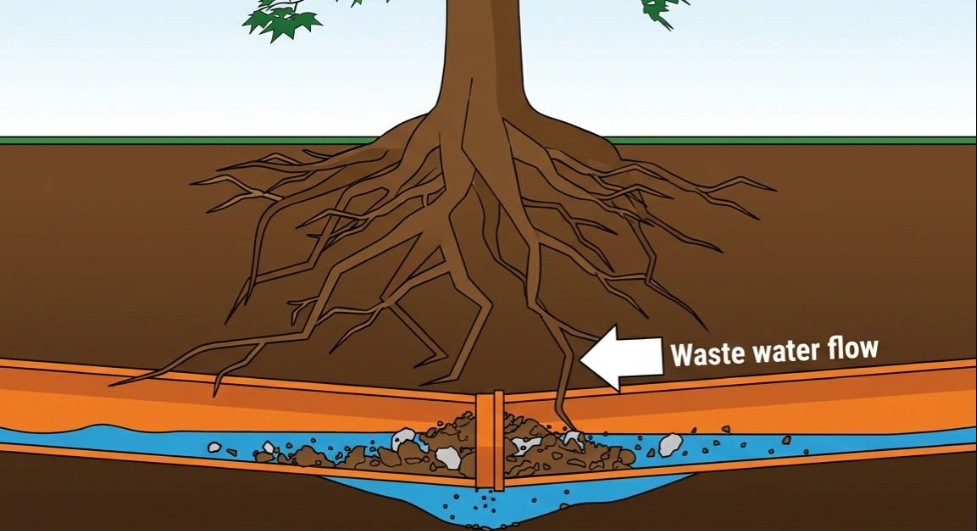
San Antonio homeowners often discover a slow-draining sink or recurring toilet backups, only to learn that tree roots have invaded the main sewer line beneath their property. The city’s warm climate and clay-rich soil support rapid root growth, allowing local trees to send roots deep and wide in search of water. Over time, these roots can penetrate even small cracks in aging sewer pipes, causing repeated blockages and ongoing plumbing headaches. Stopping this cycle requires a targeted approach that addresses both the physical damage and the ongoing vulnerability of the main line. Techniques now focus on long-term prevention, not just clearing the latest clog.
San Antonio Soil Conditions And Aggressive Tree Root Growth Near Sewer Lines
San Antonio’s clay-heavy soils retain moisture in some areas but dry out quickly during periods of drought. These changing conditions drive tree roots toward sources of steady moisture, making sewer lines an attractive target. Common shade trees such as live oaks and pecans are known for sending out extensive root systems that can exploit even the smallest pipe joint or crack.
Once inside, roots expand and multiply, creating dense mats that catch debris and block wastewater flow. The problem compounds in older neighborhoods where clay or cast iron pipes are more likely to develop cracks. Homeowners may notice their sewer lines clogging more frequently during spring and summer, when trees are actively growing and the soil dries out, which intensifies the search for water.
Understanding how local soil and tree species interact with underground utilities is the first step in designing a solution. Evaluating these site-specific factors is recognized as a best practice in sewer line diagnostics, as detailed in urban root intrusion guidelines.
Advanced Trenchless Repair Methods For Damaged Main Sewer Lines
Traditional sewer repairs often involved digging trenches across lawns and driveways, but modern trenchless methods minimize disruption while providing a long-lasting fix. One of the most effective techniques is cured-in-place pipe lining, which involves inserting a resin-coated liner inside the damaged pipe and curing it to create a seamless, joint-free barrier that blocks roots from reentering.
Another approach, pipe bursting, uses specialized equipment to break apart the old pipe while simultaneously pulling a new, root-resistant pipe into place. Both methods seal out future root invasion and restore full function to the main sewer line without the need for extensive excavation.
Property owners seeking Sewer Line Repair in San Antonio can ask about these trenchless options when they face repeated blockages. These repair methods are especially valuable for homes surrounded by mature trees, since they eliminate many of the weak points that roots previously exploited.
Effective Root Barriers And Chemical Treatments Stopping Future Blockages
Installing physical root barriers during or after sewer line repair creates a protective shield between aggressive tree roots and the pipe. These barriers are often made from high-density polyethylene or similar materials, and are placed vertically in the soil to redirect roots away from vulnerable sections of the sewer system.
Alongside physical barriers, targeted chemical treatments can discourage root regrowth inside pipes. Products containing slow-release root inhibitors are introduced directly into the sewer line, where they kill invading roots on contact without harming the tree or surrounding landscape. These treatments help keep pipes clear between regular maintenance visits.
Combining these solutions addresses both the immediate threat and the long-term risk of root intrusion, as outlined in preventive root control strategies. Homeowners should confirm that any treatment is approved for use in residential sewer systems and compatible with local environmental regulations.
Professional Maintenance Practices Ensuring Long Term San Antonio Plumbing Health
Regular inspection and cleaning keep tree root intrusion from turning into major plumbing emergencies. Professional plumbers use high-definition cameras to inspect the inside of sewer lines, identifying early signs of root infiltration before blockages develop.
Mechanized root cutting tools can remove existing intrusions, while routine hydro-jetting—using high-pressure water—flushes away small root strands and built-up debris. Scheduling these services every one to two years reduces the risk of sudden backups and extends the life of repaired pipes.
For properties with a history of tree roots sewer line issues, ongoing monitoring and timely intervention are key to maintaining uninterrupted plumbing service. Discussing a proactive maintenance plan with a local expert ensures that repairs remain effective and that San Antonio’s unique environmental factors are fully considered in each solution.
Conclusion
Choosing a repair technique that combines trenchless technology, root barriers, and scheduled professional maintenance is the best way to break the cycle of main line blockages caused by tree roots sewer line problems in San Antonio. Homeowners faced with persistent issues should consult a specialist who can assess soil, tree placement, and pipe condition to recommend a tailored solution that keeps roots out for good.
