

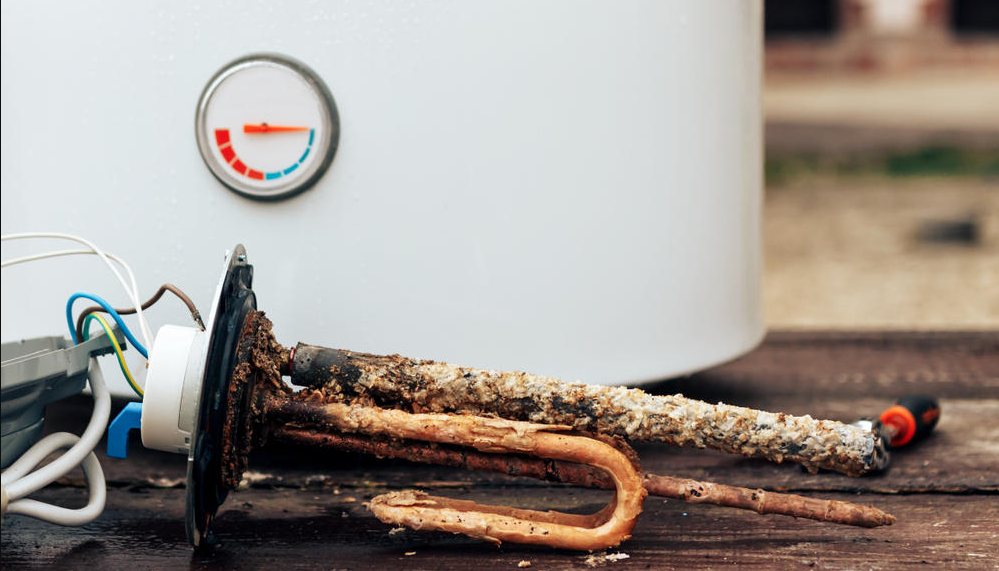
Homeowners in Atlanta often find themselves facing water heater issues sooner than expected, even with models that should last years. The culprit behind this early breakdown is frequently the high mineral content in Atlanta’s water, which leads to hard water scaling. When calcium and magnesium deposits accumulate inside a water heater, they form a stubborn layer called scale. This buildup doesn’t just affect the appearance of plumbing fixtures—it silently shortens the lifespan of water heaters, making replacement necessary far earlier than planned. Recognizing the signs of hard water damage water heater Atlanta residents experience, and understanding how mineral scaling accelerates wear, can help property owners make informed decisions about maintenance and replacement.
Atlanta Mineral Makeup And Tank Degradation
The unique composition of Atlanta’s tap water, containing elevated levels of dissolved minerals such as calcium and magnesium, initiates the process of scale formation inside water heater tanks. These minerals precipitate out of heated water and attach to the internal surfaces, often creating a crusty layer at the bottom of the tank. This mineral crust acts as a barrier between the water and the heating element, forcing the system to work harder and increasing the risk of overheating.
Over time, this layer of scale leads to corrosion and weakens the structural integrity of the tank itself. The continuous exposure to hard water accelerates rusting, especially around seams and joints, resulting in leaks or tank ruptures. The impact of hard water on tank materials and liner coatings is well documented in the process of scale-induced corrosion in water heaters, making early tank degradation a real concern for Atlanta homeowners.
Property owners who ignore these effects may find themselves replacing the entire unit much sooner than planned, as tanks compromised by scale rarely qualify for repair due to internal damage that can’t be reversed. These issues are especially pronounced in areas with consistently hard municipal water supplies.
Sediment Buildup And Decreased Heating Efficiency
One of the first signs of hard water scaling is a noticeable drop in water heater efficiency. As mineral particles settle and harden at the bottom of the tank, they insulate the heating element, making it harder for the appliance to heat water to the desired temperature. This forces the heater to run longer cycles, consuming more energy and driving up utility bills.
In gas-powered models, this sediment buildup can cause a distinct rumbling or popping noise as water becomes trapped beneath the scale and turns to steam. Electric models suffer from overheating and frequent cycling, both of which wear down heating elements prematurely. The need for regular water heater flushing to remove sediment is crucial, as neglecting this maintenance task leads to persistent performance issues that eventually require full replacement.
In Atlanta, where hard water is a year-round issue, these efficiency losses accumulate rapidly, making routine flushing and inspection a necessary part of home maintenance for anyone hoping to avoid early replacement costs.
Premature Component Failure In Local Plumbing Systems
Hard water scaling doesn’t just affect the tank—it also puts stress on water heater components and the surrounding plumbing system. Heating elements, thermostats, and pressure relief valves are all vulnerable to scale-induced malfunctions. For instance, when scale forms around heating coils, they can overheat and burn out, leading to sudden loss of hot water and the need for expensive repairs.
Atlanta’s climate means water heaters often operate for longer periods, intensifying the effects of mineral buildup. Over time, scale can clog inlet and outlet pipes, reducing water flow and causing inconsistent temperatures at taps and showers. Replacing individual components may offer temporary relief, but recurring failures often signal it’s time for a complete Water Heater Replacement in Atlanta, GA. This type of project can restore reliable hot water and eliminate the ongoing issues that hard water scaling brings.
For those in the region, understanding how hard water damage water heater Atlanta systems is key to avoiding frequent breakdowns and unplanned expenses. Regular inspection and timely intervention can delay the need for a full system change, but persistent scaling often tips the balance toward replacement.
Cost Effective Prevention Versus Full Unit Replacement
Atlanta homeowners weighing the cost of ongoing repairs against full replacement face a clear trade-off. Preventive strategies such as installing whole-house water softeners, scheduling routine tank flushing, and using descaling treatments can extend the lifespan of a water heater. These measures target the root cause—mineral buildup—before it can inflict serious damage.
However, if hard water scaling has already compromised the tank or burned out key components, replacement is often the most practical solution. Maintenance costs quickly add up when parts fail repeatedly, and persistent leaks or corrosion are rarely repairable. Consulting a professional for an inspection can clarify whether prevention is still an option or if the unit is beyond saving.
Reviewing the benefits and limitations of water softening solutions can help homeowners decide on the best approach. In hard water regions like Atlanta, investing in prevention early on often costs less in the long run than waiting for premature system failure.
Conclusion
Addressing hard water scaling early—through regular maintenance or effective water treatment—can prevent unexpected water heater replacement and save money over time. If performance issues, leaks, or persistent component failures have already set in, it’s wise to schedule a professional evaluation to determine if repair or replacement is the better path forward.
