


Does your dog bark at the doorbell, at people walking past, or the second you leave? You are not alone, and your dog is not broken. If you want to know how to stop dog barking, start by seeing barking as communication. Dogs bark when they feel excited, bored, worried, or frustrated. With clear training, enough exercise, and a calm plan, you can cut the noise without scolding or fear. This guide gives you simple steps you can start today, one trigger at a time.
Quick Answer: How to Stop Dog Barking in 5 Moves
Here is the short version. Block windows and use gates so your dog cannot practice barking all day. Meet your dog’s needs with exercise and sniffing. Teach a calm alternative, like going to a bed. Reward quiet moments. Finally, train each trigger separately, because doorbell barking, window barking, and barking when you leave all need different plans.
Why Dogs Bark Excessively
Most barking comes from two places. The first is feeling. Dogs bark when they are excited, frustrated, scared, or overwhelmed. The second is habit. If barking once got attention, made a person go away, or made something fun happen, your dog will try it again. Good training deals with both the feeling and the habit.
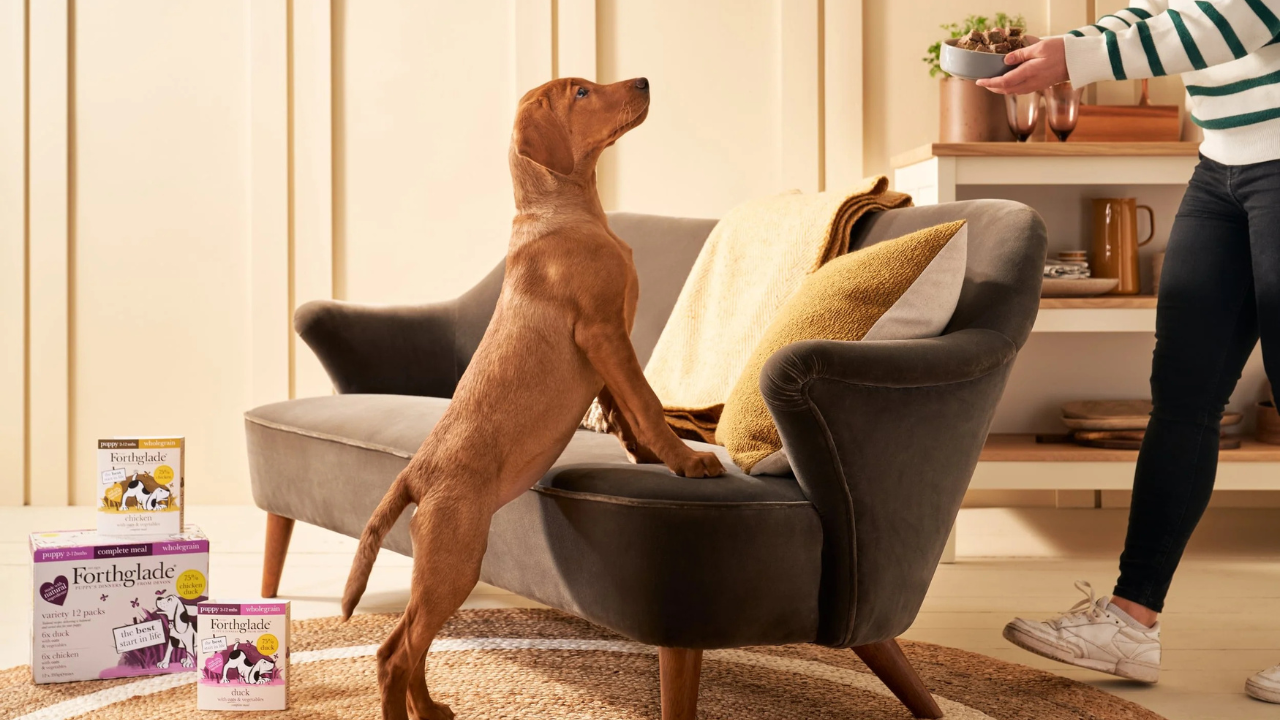
What Not to Do When Your Dog Barks
Bark collars, spray collars, yelling, and saying “quiet” over and over may stop the noise for a moment. But they do not show your dog what to do instead. Worse, they can leave your dog stressed or afraid, and that fallout can last long after the collar is gone. Stopping a behavior without teaching a better one always has a cost.
Be Patient and Meet Your Dog’s Needs
If your dog has barked this way for months, it is a habit, and habits take time. Do not expect silence overnight. Look for shorter barking bursts and faster calming down. Dogs also bark more when they are bored. Aim for at least an hour of exercise daily, with plenty of time to sniff and explore new places. If you cannot reach that yet, start where you can and build up.
Read Also: Vacuum Mops for Pet Owners: Tackling Hair, Dander, and Messes
Build Engagement With Short Training Sessions
You do not need long lessons. Try 30 to 90 seconds of training several times a day, such as while the coffee brews or before you head out. Short, frequent practice builds trust and confidence, and confident dogs bark less.
Teach Foundation Skills That Reduce Barking
Think of these as coping skills, not tricks. Scatter food on the floor in a search game to lower excitement. Practice impulse control games so your dog learns to wait. Use crate games to build confidence with boundaries. Teach a relaxation routine so your dog can truly settle. Finally, train a “Hot Zone,” which is a raised bed where your dog goes to relax on cue.
Identify Triggers and Change the Environment
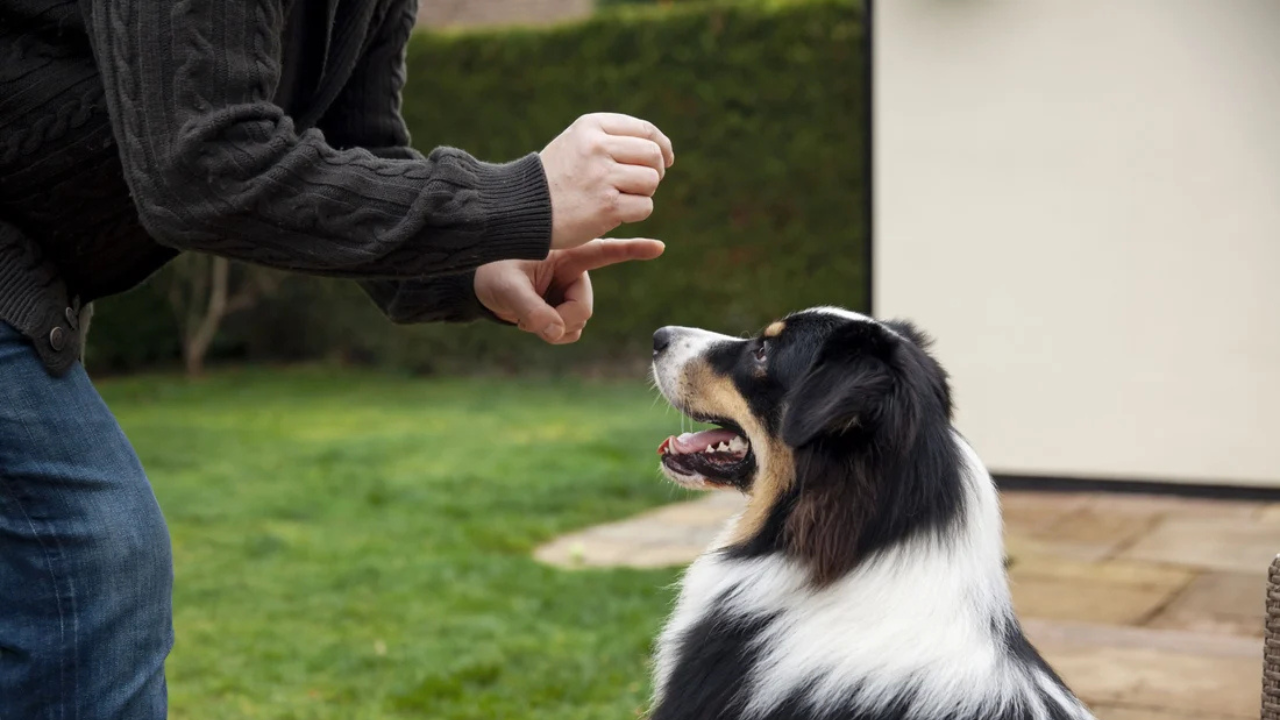
Barking is predictable. Notice what happens just before it starts, where it happens, and what your dog gets out of it. Then make changes to the setting. Cover lower windows, move furniture, or use a gate or pen. This is not giving in. It simply stops your dog from rehearsing the habit all day while new skills are taught.
Doorbell Barking Training Plan
Doorbell barking needs its own plan. First, teach your dog to love the Hot Zone bed. Next, play a neutral sound, not the doorbell, and send your dog to the bed. Repeat until that sound means “go relax.” Then add the real doorbell at a low volume, rewarding your dog for staying on the bed. Give treats at the bed, never at the door. Over time, the doorbell becomes simple information instead of an emergency.
When Your Dog Barks After You Leave
Barking when you leave often comes from worry, so it needs a gentler approach. First, rule out pain or health problems. Be honest about whether anxiety is involved. Avoid leaving your dog in situations that cause panic while you train. Build calm alone time slowly using crate games and relaxation. Barking here is feedback that your dog needs support, not punishment.
Become Predictably Unpredictable
Dogs who know the exact minute dinner or a walk arrives often bark in anticipation. Once your dog is stable, vary the timing a little. Feed at 4:30 one day and 5:20 another. The routine stays the same, but the exact moment changes, so there is nothing to bark about.
How to Measure Success
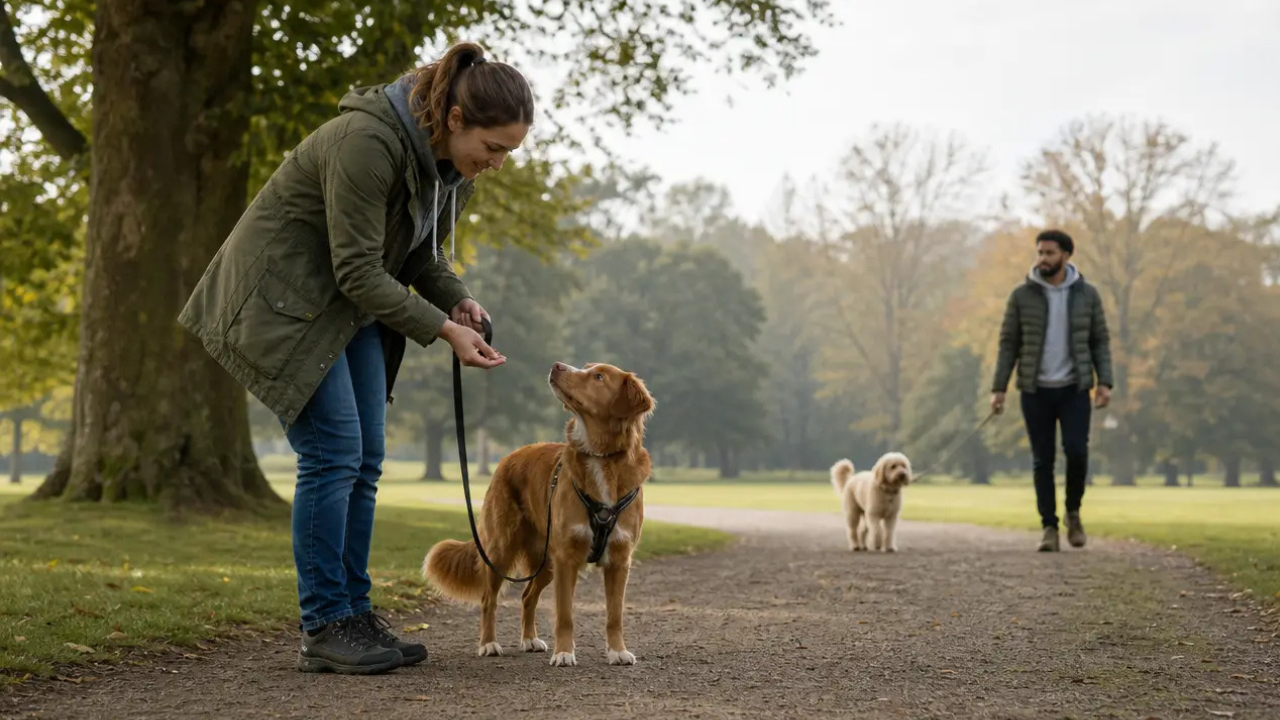
Success does not mean silence. Look for shorter barking bursts, quicker recovery, your dog choosing to walk away from triggers, and a calmer home overall.
Final Word
If barking has taken over your home, you are not failing your dog. With clear management, patient training, and kindness, things get calmer, and trust grows in place of the noise.
FAQs
How long does it take to reduce barking?
It depends on how long the habit has existed and how consistent you are. Most owners see shorter barking bursts first, then calmer days.
Should I ignore my dog’s barking?
Ignoring alone rarely works, because your dog still does not know what to do instead. Teach a clear alternative, like going to a bed, and reward it every time.
Will a bark collar fix the problem?
No. Collars silence the sound without teaching a skill and can cause fear or stress. Training that tackles the real cause works better and lasts longer.
What if my dog only barks when I leave?
That often involves worry, so punishment can make it worse. Rule out medical issues, build calm alone time slowly, and avoid repeated panic. Ask a professional for help if your dog panics.
When should I get professional help?
Get help if barking comes with panic, destructive behavior, or self-injury, or if you see no progress after steady training. A certified trainer or veterinary behaviorist can build a safe plan.
Read More: Webinkey.com: A Complete Guide to This Digital Media Platform
