


Money is what keeps a business alive, but there are too many business owners and finance students that don’t know how to manage their money well. This tutorial on working capital management explains simply in simple steps what working capital is, how to calculate it and why it is important.
You will know the formula, components, important ratios and how to enhance liquidity. Common challenges, industry differences and how this topic is featured in the CFA, CMA and ACCA exams are also covered. This article provides you with a solid base, whether you’re a student or a professional.
Comprehensive Summary on Working Capital Management
Working capital management involves managing a company’s operating capital, which includes short-term assets and short-term liabilities. The end goal is simple: enough money to cover what needs to be paid in the near future, but not so much money that it is sitting on the sidelines. It is essential for any business, whether small or big, to maintain the smooth functioning of the day to day activities.
What is Working Capital Management?
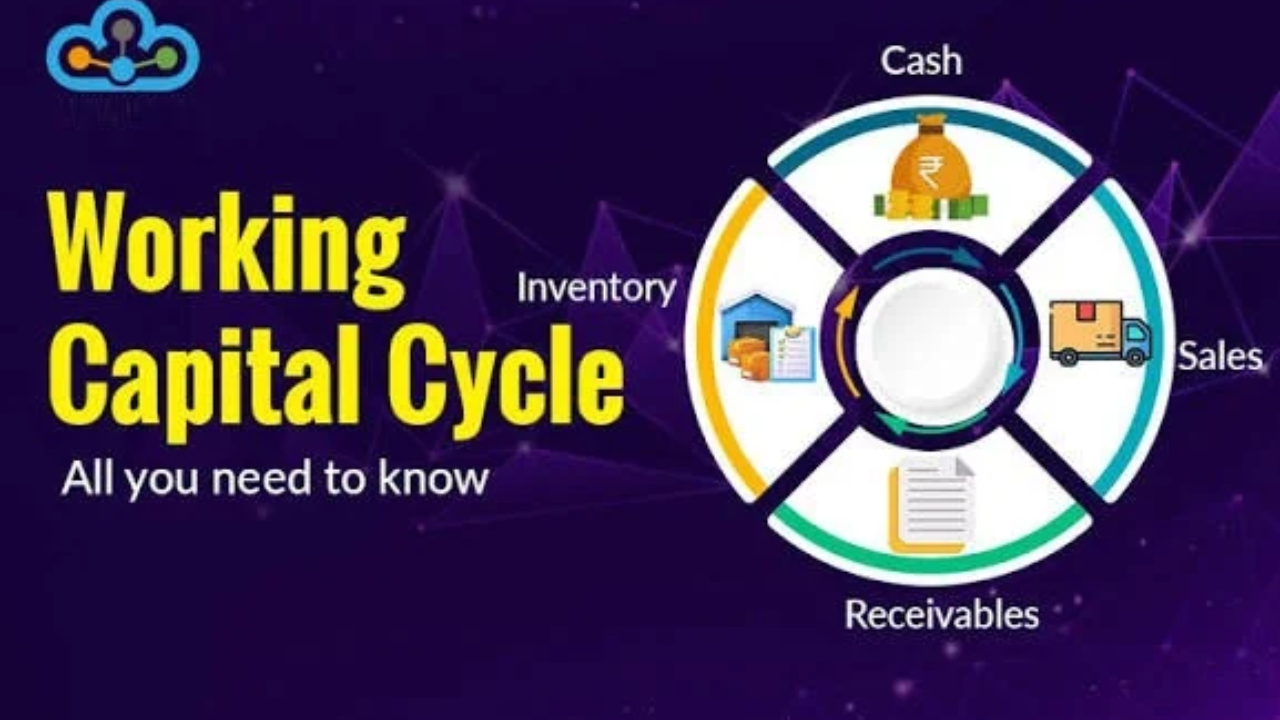
The working capital is money used by a business for day-to-day activities like paying bills, paying wages, covering rent, and paying for inventory. It’s about controlling three aspects: payment of customers, payment of suppliers and stock levels. These three, when balanced, smooth the flow of cash and reduce the stress.
Working Capital Formula

Current Assets − Current Liabilities = Working Capital
Current assets are those assets that can be converted into cash within the year. The bills that do need to be settled within one year are called current liabilities. For example, assets of $500,000 and liabilities of $300,000 leave working capital of $200,000.
Gross vs. Net Working Capital
Gross working capital is the total of all current assets. Net working capital is current assets minus current liabilities. Net working capital gives a truer picture of financial health because it shows what remains after short-term debts are paid.Components of Working Capital Management
- Cash: Fund which can be accessed for immediate use.
- Accounts receivable: money that customers owe you.
- Inventory: Stock of products and materials that are awaiting sale.
- Accounts Payable: The money that you owe suppliers.
All parts interact with each other so they need to be dealt with together. For instance, if you carry a lot of inventory, cash is tied up that could be used to pay suppliers.
Read Also: How to Navigate Growth in Your Career and Business
Objectives of Working Capital Management
- Maintain sufficient liquidity to meet obligations in a timely fashion.
- Do not have excess stock or idle cash.
- Be careful to balance profit against risk.
- Release funds to invest in expansion and new ventures.
Key Metrics and Ratios in Working Capital Management
In this simply explained tutorial of working capital management, it will be discussed that four measures are most important:

- Current ratio = Current Assets ÷ Current Liabilities
- Quick ratio = (Current Assets − Inventory) ÷ Current Liabilities
- Cash conversion cycle = Days Inventory + Days Receivable − Days Payable
- Working capital turnover = Net Sales ÷ Average Working Capital
A shorter cash conversion cycle typically means that the business converts its stock into cash quicker. If a current ratio is below normal, it may indicate that a business has difficulty paying its bills.
Strategies to Improve Working Capital Management
- Quickly send out invoices and follow up on late payments.
- Extend payment deadlines with suppliers.
- Maintain a minimum stock level, but not be without popular products.
- Plan and track cash flow monthly and against actuals.
Little things mean a lot. If you can receive payment even 5 days earlier you will be surprised what amount of money you can save.
Challenges in Working Capital Management
Payment delays, fluctuating demand, cost increases and delays in the supply chain can all create a squeeze on cash. These problems are exacerbated by inaccurate forecasting since they are not identified in time to take action.
Working Capital Management For All Industries
Retailers require a lot of stock. Manufacturers are known to wait longer for customers to pay. Service companies don’t carry a lot of inventory, but they rely on timely invoices. Due to the variety of needs, it is not recommended to base targets on another industry.
Technology and Tools for Modern Working Capital Management
Collections automation, stock management, and AI forecasting tools can be integrated into ERP systems. This will save time, help steer clear of errors and provide managers with a better picture of their cash position.
Working Capital Management in CFA, CMA and ACCA Exams
The formula, liquidity ratios, the cash conversion cycle and short term financing are typically tested in exams. Work through some calculation problems; know what each result represents, not only how to do the calculation.
Final Word
This working capital management tutorial covers the formula, components, ratios and strategies to get you started. Have cash flow and review ratios regularly and review strategy regularly as the business evolves.
FAQs
1.What is the main goal of working capital management?
Maintaining adequate liquidity to pay current bills but not having too much cash sitting idle. It’s about balancing the levels of profit and risk to ensure that the company keeps paying.
2.What are the four aspects of working capital management?
Cash, accounts receivable, inventory, and accounts payable. They work together to determine the flow of funds in and out of a business.
3.What is the working capital formula in Accounting?
Working capital is the difference between current assets and current liabilities. For example, $500,000 in assets and $300,000 in liabilities gives $200,000.
4.What is a good working capital ratio?
The current ratio should be between 1.2 and 2.0, although this will depend on the industry. 1 and below indicate liquidity issues. If it is far above 2, it is likely for there to be too much idle cash or stock.
5.How is working capital management tested in CFA, CMA, or ACCA exams?
Commonly examined items during tests are the formula, the cash conversion cycle, liquidity ratios, and short-term financing options.
Read More: What Is a Client Relationship Partner? Role, Skills & Responsibilities
