

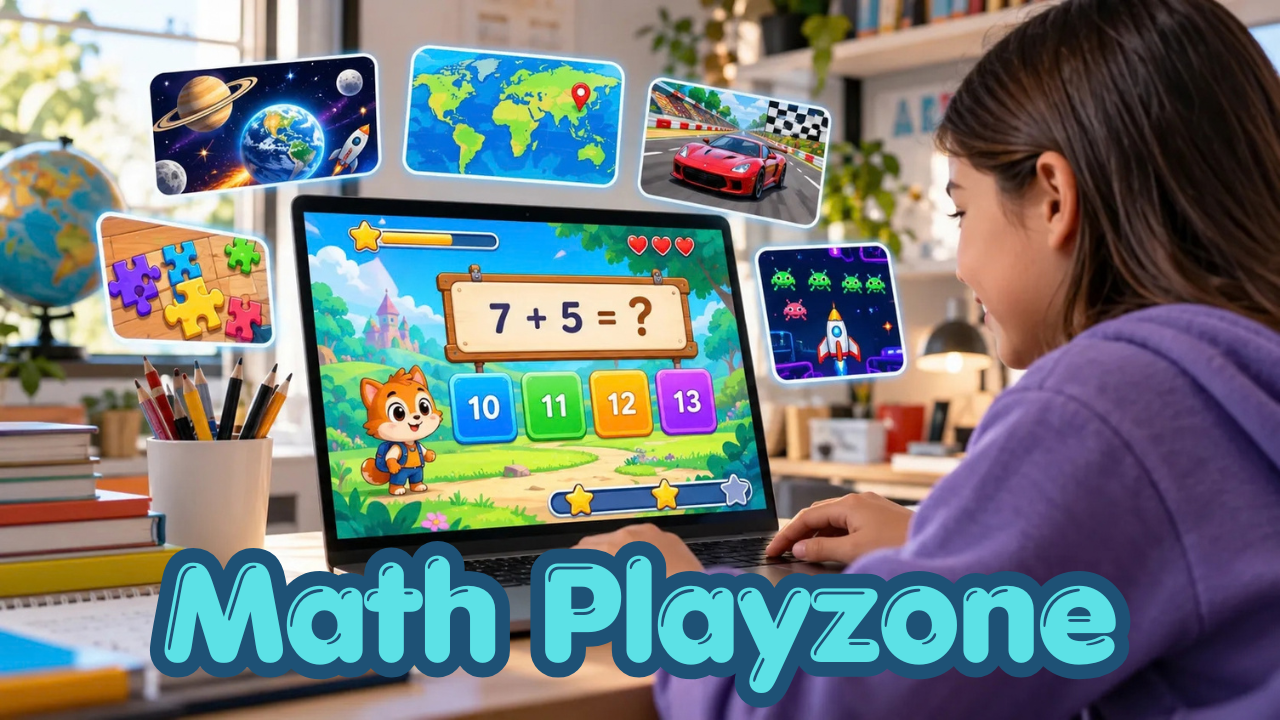
Ask any parent: getting a child to sit down with a math worksheet is a battle. But hand that same child a fun game, and suddenly they won’t stop. That’s the whole idea behind math playzone — a style of learning where kids build real math skills through play instead of pressure.
And one platform has taken this idea further than most. Let’s look at what it is, why it works, and what the research actually says.
What Exactly Is Math Playzone?
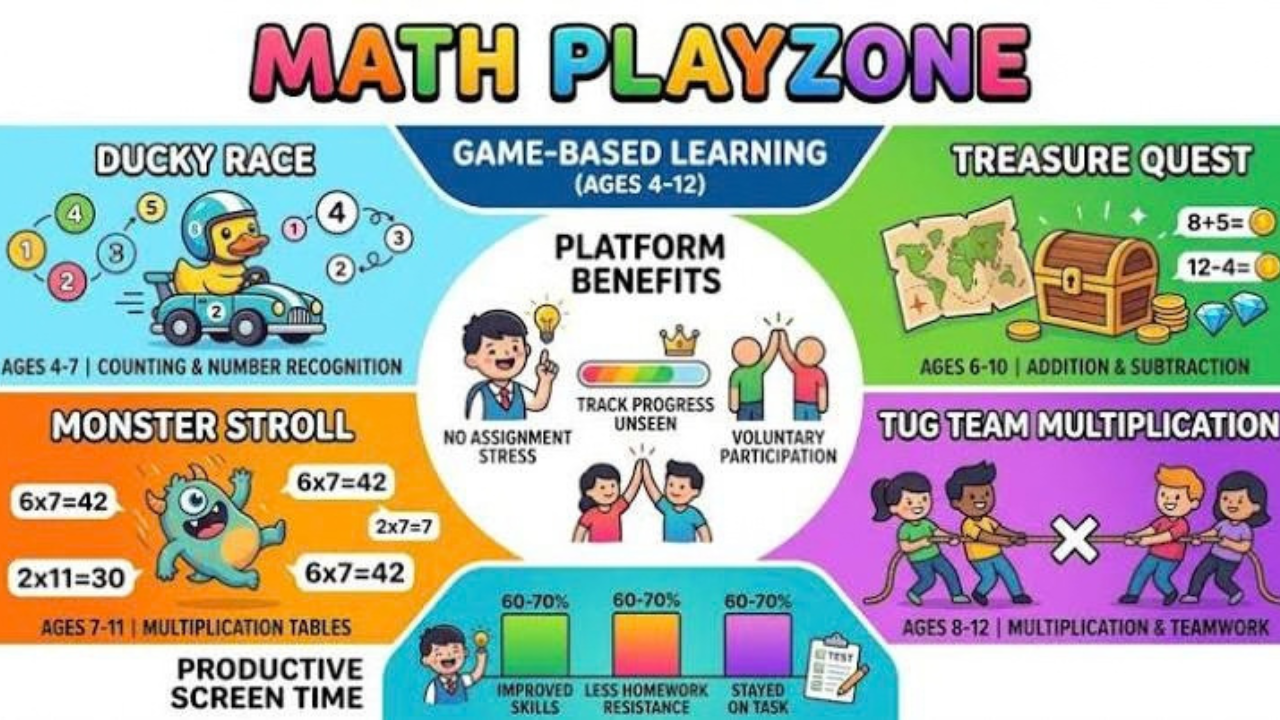
Math Playzone is an interactive online platform built to make math fun and easy to approach for students. Instead of dry lessons, it offers games, challenges, and activities that cover the core skills every young learner needs — counting, number recognition, addition, subtraction, multiplication, and division.
The design is simple: kids play, kids practice, and kids learn without ever feeling like they’re “doing schoolwork.” The platform also stretches beyond numbers, with science and history-geography games mixed in, so children get a broader learning experience in one place.
What Kind of Games Can Kids Play There?
This is where Math Playzone shines. The games are not random quizzes — each one targets a specific skill in a creative way:
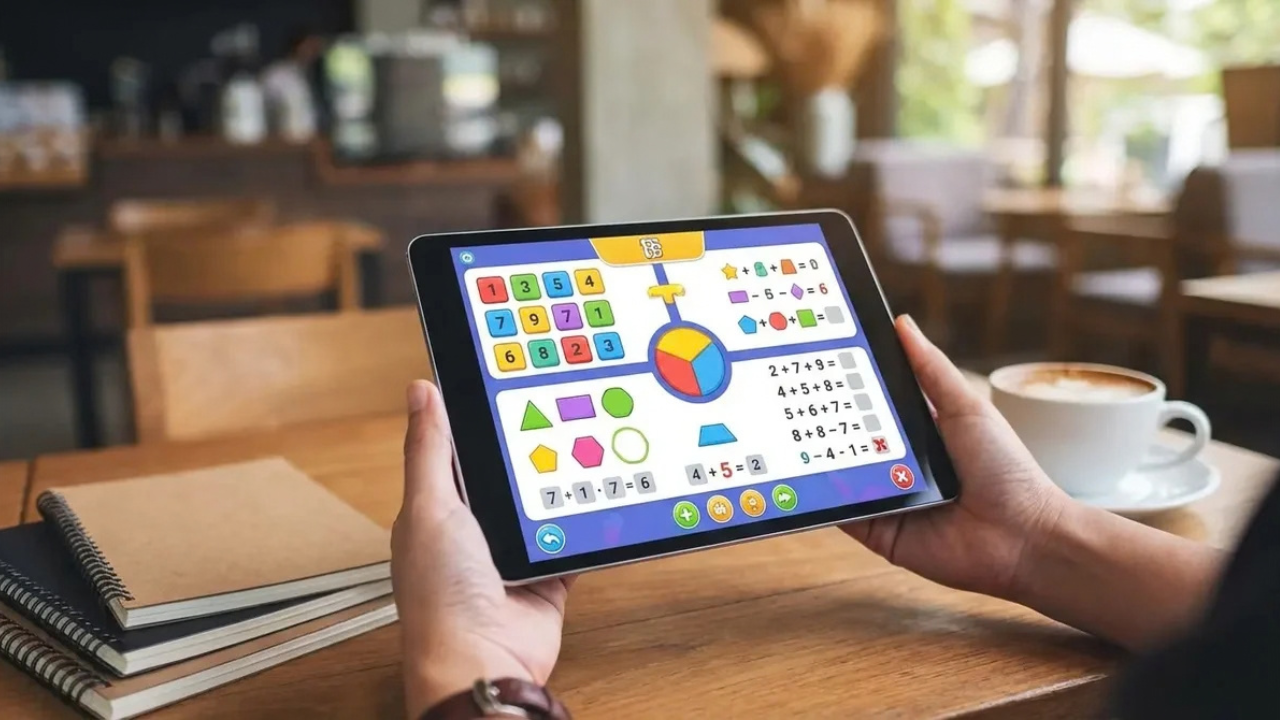
- Math Push — a puzzle game where kids push numbered blocks to build equations that match target values. Logic and math in one.
- Math Boy — a fantasy adventure where kids solve equations to protect a young hero from enemies. Choose addition, subtraction, multiplication, division, or a mix.
- Quiz Math — a true-or-false speed game that sharpens quick thinking.
- Let’s Reach 1000 / Let’s Reach Zero — timed addition and subtraction games where kids race against the clock.
There are also science games like The Brain Lab (sorting solids, liquids, and gases while running) and quiz games covering planets, the human body, world flags, and history. So a child never gets bored, because every game feels fresh.
Why Do Math Games Work Better Than Worksheets?
Stanford University studied this, and they found something interesting. When kids play math games, they’re not afraid of messing up. They try, get it wrong, try again. Nobody’s grading them. And slowly, without even noticing, they learn to keep going and figure things out on their own. They also pick up small life lessons along the way — waiting their turn, being a good winner, and a good loser too.
The National Council of Teachers of Mathematics (NCTM) found something similar. When kids play these games again and again, they simply get faster with numbers. No flashcards. No pressure. It just happens.
Think of it this way: worksheets make kids scared of wrong answers. Games make wrong answers feel like no big deal — you just take your next move. And that’s exactly how real learning works.
What Does the Research Actually Say?
Let’s get specific, because the numbers are impressive.
A study published in ScienceDirect found that preschool children who played simple number card games just four times (15 minutes each) improved their counting and number identification — and one version of the game completely closed the gap between low-income children and their middle-income peers in number skills.
A large meta-analysis from the University of Oregon, published in the Review of Educational Research, confirmed that number-based board games reliably strengthen young children’s math abilities. Other research on gamified math tools shows children can learn math skills up to three times faster than with traditional methods, with as little as two 15-minute sessions per week.
So when your child begs for “five more minutes” of a math game, they might actually be begging for exactly what their brain needs.
How Can Parents Make the Most of It?
A math playzone works best when parents play a small role. Here’s how:
Short, regular sessions beat long ones. Ten to fifteen minutes a day works better than a weekend marathon.
Sit with them sometimes. Ask “How did you figure that out?” — it turns gameplay into real conversation about thinking.
Match the game to their level. Start easy, build confidence, then raise the challenge.
Connect games to real life. If they mastered addition in a game, let them add up the grocery bill.
Who Is Math Playzone Best For?
Honestly? Almost any child between ages 5 and 12 who finds traditional math boring, stressful, or scary. It fits kids in school who need extra practice, homeschoolers looking for a fun supplement, and even confident learners who just want a challenge. Because there’s no sign-up pressure and games run right in the browser, it also works for quick practice anywhere — home, classroom, or on the go.
Final Words
Math doesn’t have to be scary for kids. Platforms like Math Playzone prove that when learning feels like play, children lean in instead of checking out. The research backs it up, the games keep kids hooked, and the skills they build — number sense, logic, persistence — last far beyond the screen. So if your child groans every time math homework comes out, maybe it’s time to swap the worksheet for a game. They’ll be having too much fun to notice they’re getting smarter. And that’s the whole point.
Read More: What Is a Client Relationship Partner? Role, Skills & Responsibilities
